
#4 - Food for Thought: Weight
What is this thing I'm running away from? And what is this thing I'm running towards?

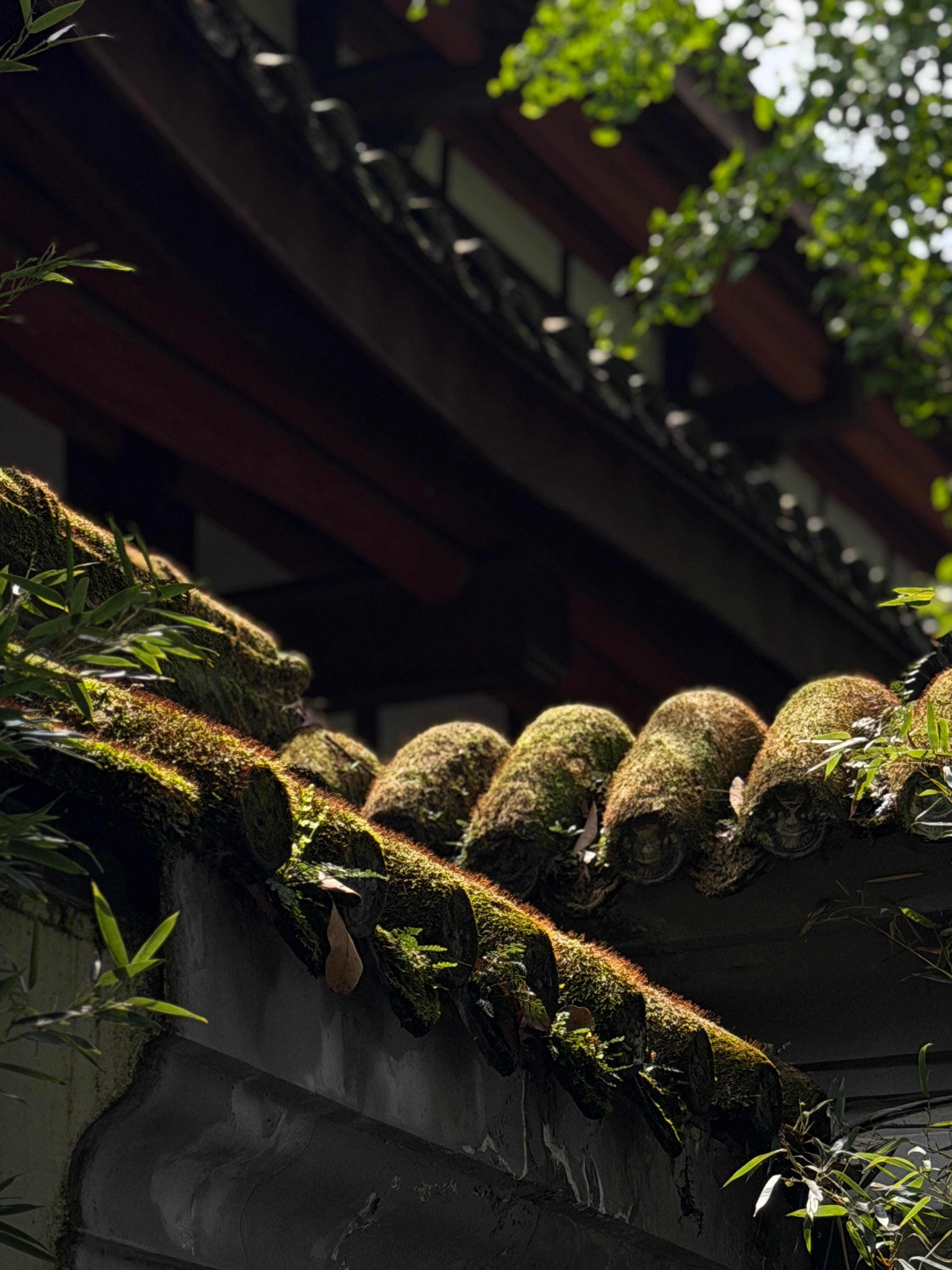
I took a short break in March to clear my annual leave and, more than anything, to get out of everyone’s reach.
I learned the term ‘firstborn daughter syndrome’, and I suspect I was running from it—even if it was just for ten days. Nearly half a month away from responsibilities and real life turned out to be incredibly worthwhile. My time wandering around Bangkok and the nearby towns was a healing process I didn’t know I needed. It wasn’t my first time there. While I wouldn’t say I know it like the back of my hand, I do know where to stay, what to eat, what to see, what belongs on my to‑do list. So even without an itinerary, I ended up doing more than I expected.
Then, in April, I took another break, this time to Chongqing and Chengdu, with my friends. As the planner, I had to take the lead—is this is also part of this “firstborn daughter syndrome”, taking this task onto my shoulder? It seems like it. But with four firstborn daughters in that group…I’m not even sure if this syndrome is as universal as they say now.
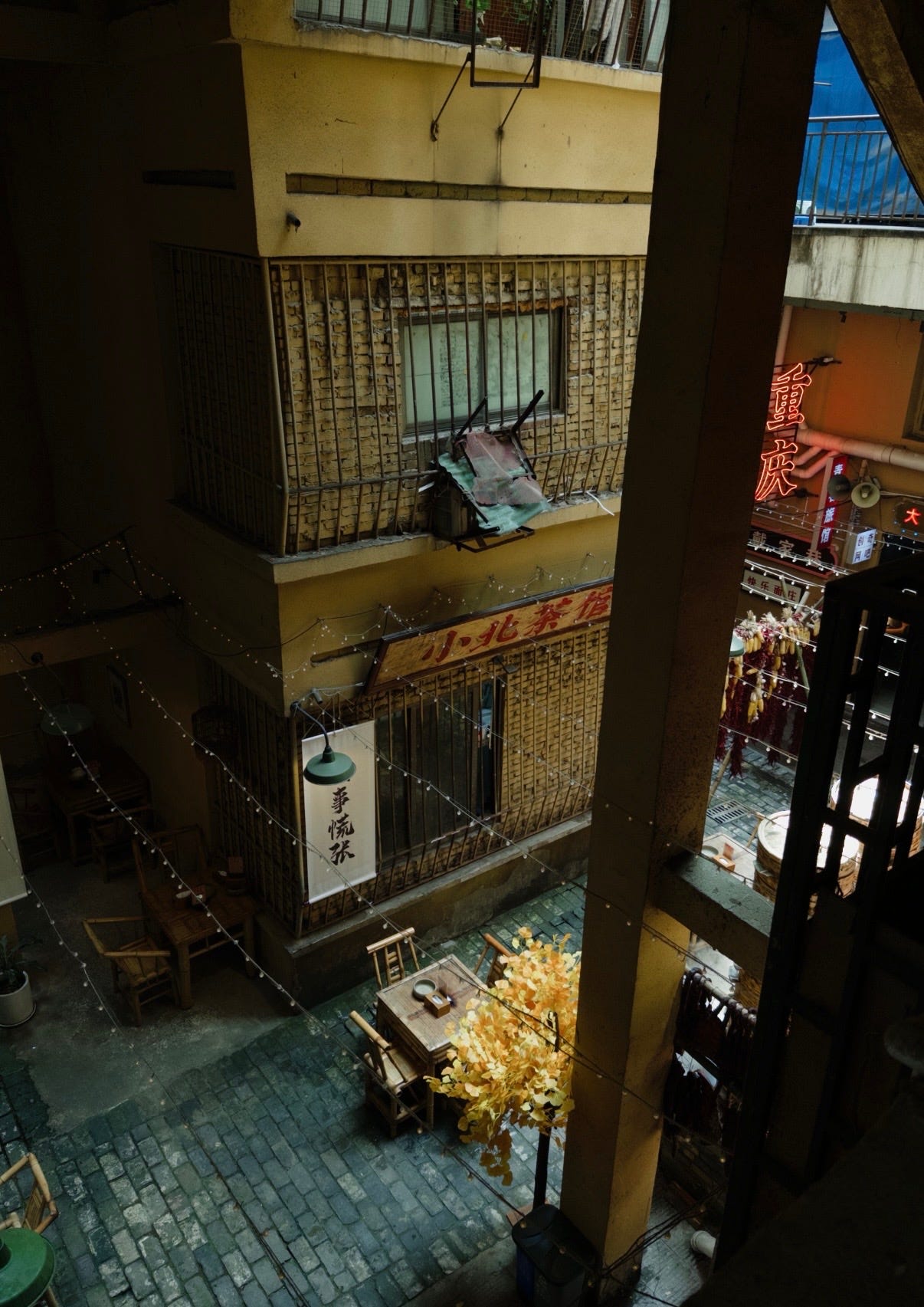
Chongqing had been on my list for a while. I’m a huge fan of the cyberpunk aesthetic, and dense cities like Tokyo, Hong Kong and Chongqing always top it. I was amazed by the city’s layout, to say the least—building a city on such terrain only deepened my adoration for cyberpunk as a visual language. What really piqued my interest, however, wasn’t looking over a bridge that seemed like ground level only to realise you’re twenty floors up; it was how entering an old apartment building from the first floor and discovering multiple wonders underneath. I don’t think I could ever get bored of a city where you find something—even if it’s so out of place—at every corner, every turn, quite literally.
And then Chengdu. A city I’ve always wanted to visit. My father used to go visit for work, and he always says, he had the best burger at a diner next to the Sheraton hotel. Coming from a man who has travelled quite a bit, that carries weight but I didn’t get to try it. That aside, I finally visited Sanxingdui, the museum I’d always wanted to see. And while I was out cycling one morning, I also added the art museum and several streets to my list for next time. I most likely will return.
What I’ve read/ been reading:
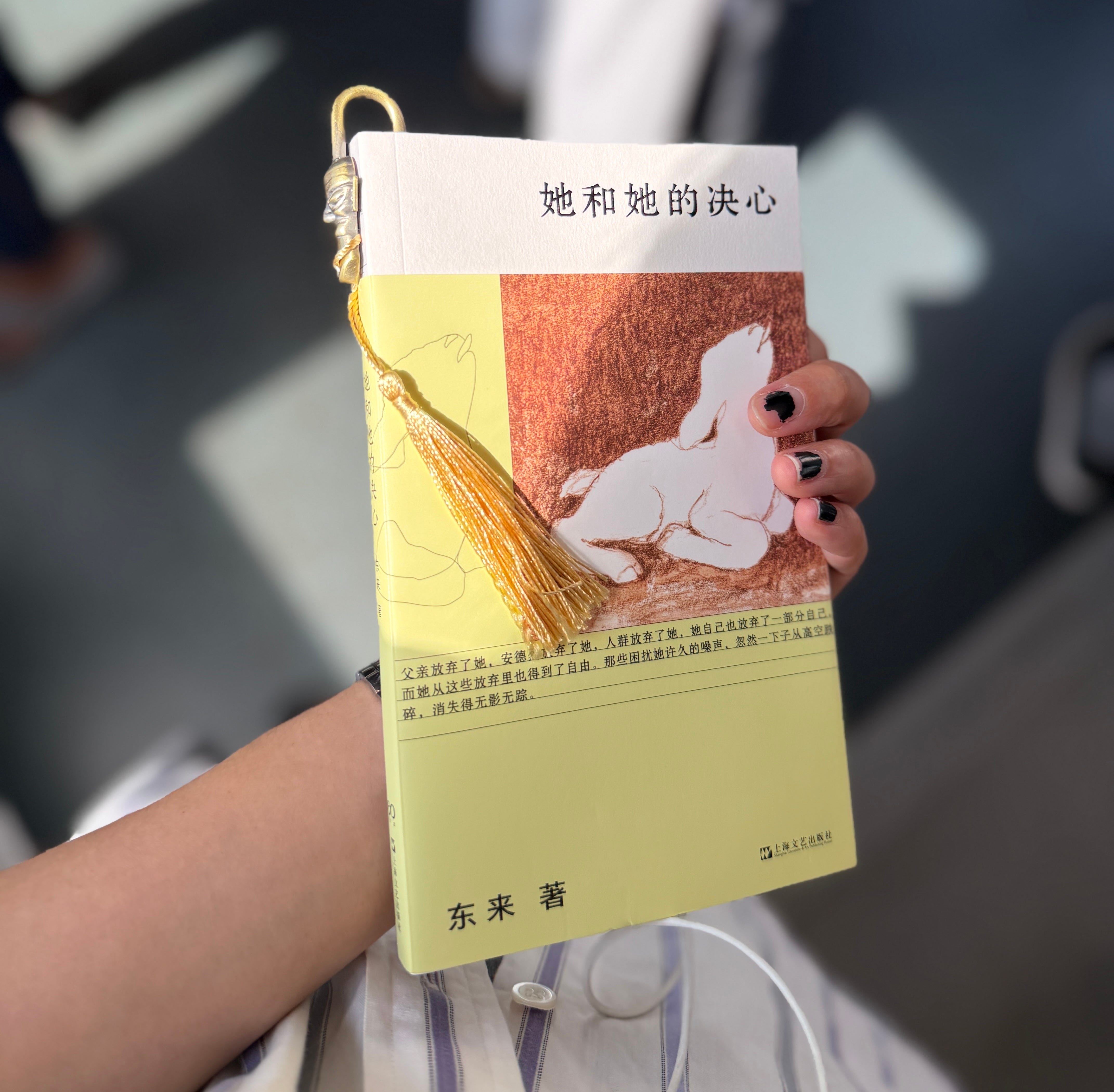
I bought a few books while I was there. The one I’m currently reading came from a bookshop in Chengdu with the word ‘Regression’ in its name—refreshing. I was at a café, chatting with a friendly barista, and he told me Chengdu advocates slow living. One phrase the locals take pride in is bashi (巴适), a dialect term meaning comfortable or relaxed. They’re known for enjoying a cuppa in the park (teahouses are mostly in or near parks) during the day; tea rituals involve performances (kung fu tea), and ear‑picking is something you do while taking a hot sip. With that mentality, it’s only reasonable for a bookshop not to urge you to ‘improve yourself’ like a typical Chinese one would, but to encourage you to read and regress. To what state? That, I guess, is up to you.
I bought a book there called She and Her Determination (她和她的决心)—a collection of short stories, each with a female protagonist whose climax comes after she decides to do something or go somewhere. It’s enjoyable because rather than suggesting whether that determination leads to a better or worse place, the stories unfold as they are, as they should be. Growing up, we hear a lot about making the ‘right’ decision and avoiding the ‘bad’ one, but I’ve always wondered: what are the criteria? Who decides what’s right? Is it based solely on precedent? But aren’t those precedents shaped by specific socio‑economic contexts—different times, different endings?
This book reminds me of another I’m reading: a collection by the Korean author Kim Ae‑ran.
I bought the Chinese translation titled Is Your Summer Alright (你的夏天还好吗?) at the book fair because it was the only version I could lay my hands on, but I later found out the original one written in Korean is called 비행운 (it means contrails, but could also means “unlucky”).
One story that really stuck with me is ‘Insects’. Coincidentally, my favourite piece in She and Her Determination is ‘White Lamb’—both named after non‑human creatures. The swarm of bugs in ‘Insects’, pestering and attacking the protagonist, symbolises an existential anxiety and helplessness that hit home. The lamb in ‘White Lamb’, on the other hand, killed and mourned, leads to the protagonist being called ‘crazy’ because she cannot move on. Both carry this weight—that might even be invisible—that became the last straw. I also appreciate how most of these stories have open endings—my favourite narrative approach.
Both books explore women’s struggles without offering answers, and I thank them for that. Some might ask why we bother reading about pain when we have no solution. To an extent, I agree. But seeing it, understanding it—that itself is a solution to me, or at least the first step. See it. Say it. Sorted. Innit?
What I’ve been listening to
• Stay with Me by Jaurim
This song was released in 2021 by Jaurim, an indie rock band from Korea that I later discovered is very popular in the indie scene. I found it through Spotify recommendations, as I listen to a lot of Asian rock bands. Upon first hearing, the guitar riff caught my ear immediately—there’s an old charm to it. I don’t know much about guitars, but I’m an avid listener so I know a good one when I hear it.
With a female lead singer, the band reminds me of the Cranberries, or even The Pretty Reckless. But this singer has a voice that would do well in yearning, heart‑wrenching ballads—-something the Asian market appreciates. The lyrics are relatively simple: a repeated plea for a lover to stay the night, a continuous rant about how tomorrow is too far and promises are usually just empty words. That makes it easy for someone like me, who only speaks conversational Korean. It’s a comparatively light‑hearted, fast‑paced presto song, with a BPM of around 170 (Paramore’s ‘Misery Business’ is also 170). Yet the more I listen, the sadder I feel. So intimate, yet so sad. Like time slipping through your fingers. Like we are so vulnerable, so helpless, and the only thing left to do is beg, continuously.
• Jane Doe by Kenshi Yonezu, Hikaru Utada
It doesn’t take a professional J‑pop fan to know Hikaru Utada’s influence—you spot a legend as soon as she starts singing. “What a good waltz,” was my first reaction. I must confess I didn’t know this was the ending theme for the Chainsaw Man: Reze Arc, though I was well aware of the franchise’s popularity. I don’t know much about the film or its characters, but from the emotional weight this song carries, I can feel—even tell—the tone of the adaptation.
It’s amazing how songs, music in general, have such power to move people. I first heard this song when I wasn’t at all prepared for that kind of emotional weight—on my way home after work, packed into a carriage where finding my footing was a challenge. The 6/8 beats came knocking through my counterfeit Apple wired earphones: no noise cancellation, inferior sound quality, the bass failing to hit hard. It waltzed with the robotic train announcement in the background, with people jostling and shoving to get into the carriage—like that fast‑motion time‑lapse scene in movies or that motion‑blur photo taken with long exposure.
And since I don’t understand Japanese, the only thing I could grasp was the title: Jane Doe—so fitting for the situation I was caught in. Tears rolled down my cheeks, no matter how hard I tried to hold them back. So I kept my head down and let them hit the ground instead.